Maple & Mill

Canadian maple syrup, trees and food craft

From tree to table.

Maple & Mill follows the trees, tools and knowledge behind Canadian maple products. Read clear introductions to woodland identification, sap concentration, syrup labels and the histories that connect a familiar food with forests, seasonal work and enduring traditions across Canada.

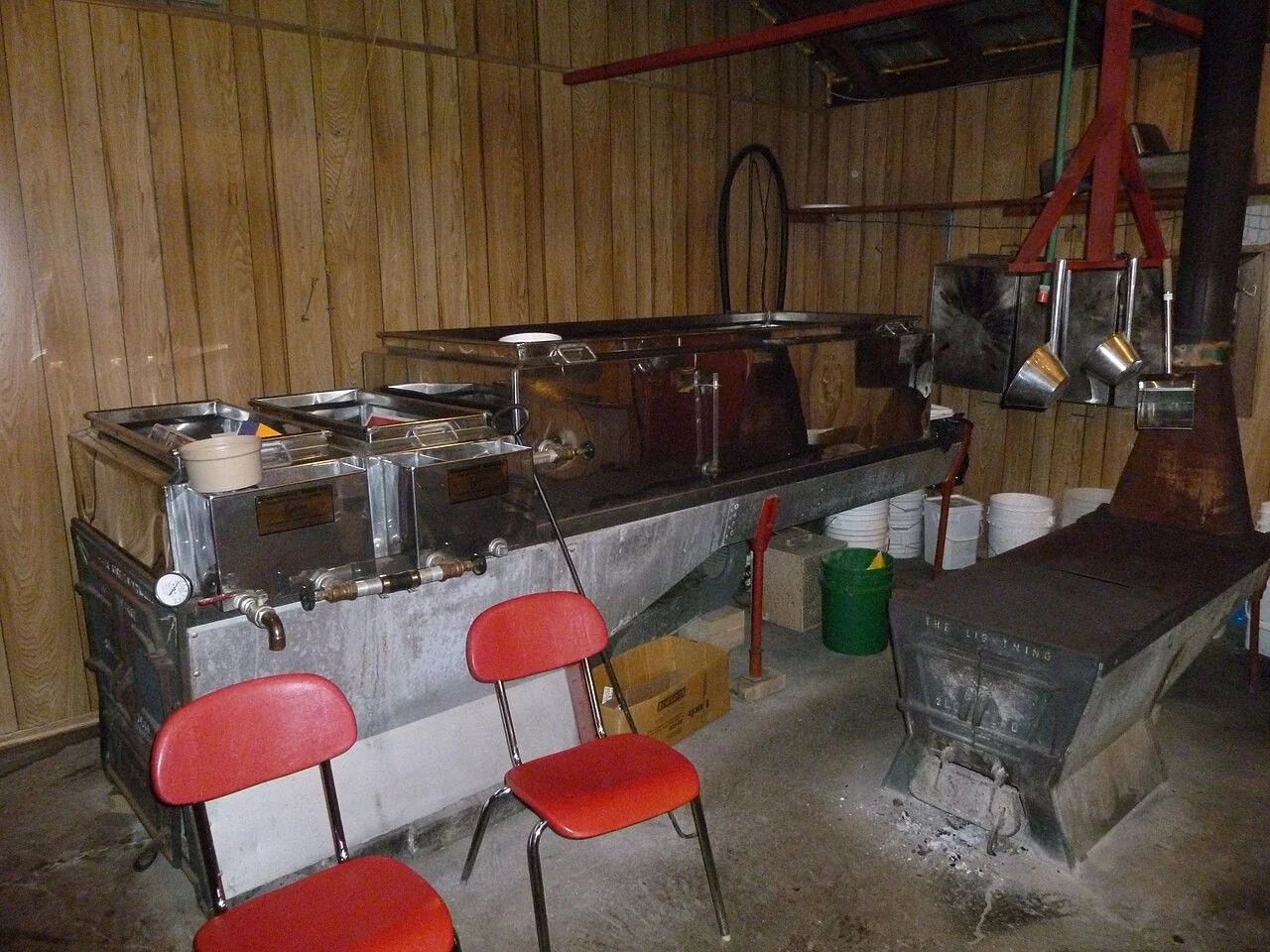
A large boiler used in maple syrup production in Quebec.
A maple syrup boiler in Quebec, photographed by Justin Quintal in 2011.Justin Quintal · CC BY 3.0
01

Tree knowledge

Reading the maple leaf beyond its outline

A maple leaf is a familiar Canadian image, but familiarity can conceal differences between trees. The University of Guelph Arboretum’s sugar and black maple profiles show how leaf shape, texture and bark offer a more careful way to look.

Read the story
02

Food craft

Why making syrup is a study in concentration

The movement from sap to syrup is a change in concentration. Canadian research records and Ontario production guidance reveal why removing water and measuring the result belong together, even when the equipment used for the job changes considerably.

Read the story
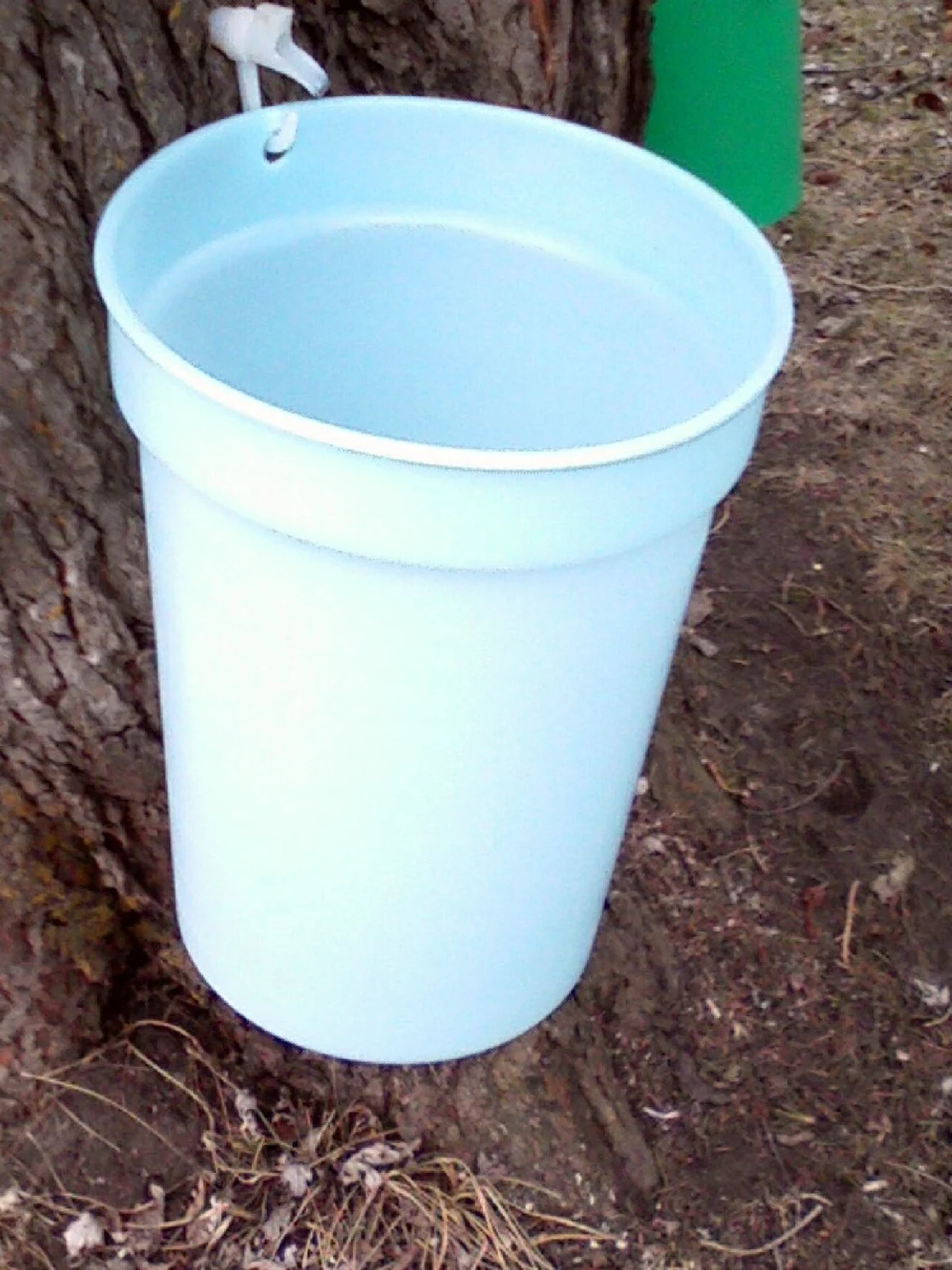
A sap collection bucket attached to a maple tree in Stirling, Ontario.
Collecting maple sap on Church Street in Stirling, Ontario, March 2012.Robert Taylor · CC BY 2.0
03

Food literacy

What a maple syrup label tells you

Golden, amber, dark and very dark describe more than a bottle’s appearance. Canadian maple grading pairs colour with flavour language and uses measured light transmission to distinguish classes. Reading the label becomes easier when those separate pieces are considered together.

Read the story
04

Canadian food history

Maple knowledge across generations

Maple production belongs to a much longer history than the commercial syrup bottle. Museum interpretation and Canada’s historical commemoration connect the spring harvest with Indigenous knowledge, the work of family farms and the continuing transmission of skills within communities.

Read the story